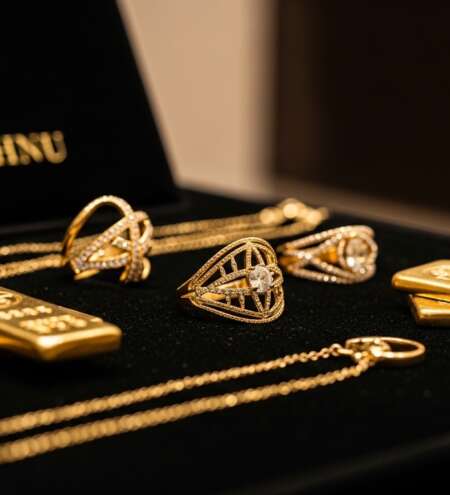
What if the money in your wallet wasn’t just paper, but actual, physical gold? For centuries, this was the reality for millions of people who used a currency called the gold dinar. In short, it represents an entirely different concept of money — one tied directly to a tangible, valuable material.
A gold dinar is a specific gold coin. Its value comes from the weight of the gold itself, not a government promise. This makes it fundamentally different from a modern fiat currency like the Malaysian Ringgit. The Ringgit holds value because the central bank backs it. Below, this article explores its fascinating history, its use today, and the key details behind its value.
The Big Difference: Why a Gold Dinar Isn’t Like a Ringgit Note
Ever wonder why a RM10 note is actually worth ten ringgit? That piece of paper has value because we all trust the government’s promise behind it. In other words, money’s worth here comes from an official declaration — economists call this fiat currency. The US dollar, the Euro, and nearly every modern currency operates on this same principle of shared trust.
A gold dinar, however, works on a completely different premise. Its value doesn’t rely on a promise. Instead, it comes from the physical, universally prized gold it contains. Economists call this commodity money, where the item itself carries inherent value. Put simply, fiat money is like a gift card that promises value, while commodity money is like receiving the valuable product directly.
This distinction is why the gold dinar sparks debate today. For investors exploring alternatives to paper money, the idea of a currency with built-in value is compelling. This is especially true during times of economic uncertainty. Still, while it might seem like a radical idea, it’s actually a return to how money worked for most of history.
A Journey Back in Time: The Original Islamic Gold Coin
The story of the gold dinar begins in the late 7th century. At the time, merchants faced a confusing mix of foreign coins with inconsistent weights. Building on early reforms, like those tied to the Umar ibn al-Khattab currency, rulers created a single, state-issued coin that everyone could trust. This move marked a vital chapter in the history of Islamic currency.
This new coin was the gold dinar, and mints struck each one to a strict standard of 4.25 grams of gold. This precision was a game-changer. Together with the silver dirham, this dual Islamic gold coin vs silver dirham system gave the region a stable monetary foundation. As a result, it solved the long-standing problem of unreliable money across a vast economic zone.
The power of this system was its reliability. In fact, a trader knew a dinar from Syria held the same value as one from Spain, removing doubt from transactions. For centuries, its consistent worth made it a dominant international currency. That legacy of stability is precisely why it still captures our attention today.
Why Talk About an Ancient Coin Today?
The modern conversation about this ancient coin often begins with a contemporary problem: inflation, or the feeling that your money buys less over time. As cash loses purchasing power, the appeal of physical assets grows. This highlights one of the core benefits of physical gold ownership. Proponents argue that a currency made from a limited resource like gold offers a more stable way to preserve wealth against this slow erosion.
Beyond economics, there’s also a matter of principle. Islamic finance discourages Riba (interest), where money itself generates a guaranteed profit. This directly addresses a common question: is investing in gold halal? Because a gold dinar is a tangible asset with inherent value — not an interest-bearing instrument — it fits naturally within this framework. Its use aligns with Sharia-compliant principles of fair trade and risk-sharing.
Practically speaking, this doesn’t mean replacing your daily cash. Instead, people view the gold dinar today as a tool for personal savings and wealth preservation. Its value ties directly to its gold content — traditionally 22-karat, a key factor in understanding gold purity 22k vs 24k. Because its worth comes from a tangible commodity, its value stays transparent and you can calculate it daily.
How Much Is a Gold Dinar Worth?
Because its value comes directly from the gold it contains, a gold dinar’s worth changes daily with global markets. You can find its approximate worth with a simple calculation. Just take the current market price for one gram of gold and multiply it by 4.25. This gives you the live 1 dinar gold to MYR value.
This fluctuating price highlights a key point. In today’s world, the dinar functions as a modern Islamic bullion investment, not as everyday spending money. In fact, you can think of it less like currency and more like owning a small, standardized gold bar. This makes it a tool for preserving wealth, where its worth comes from a tangible asset.
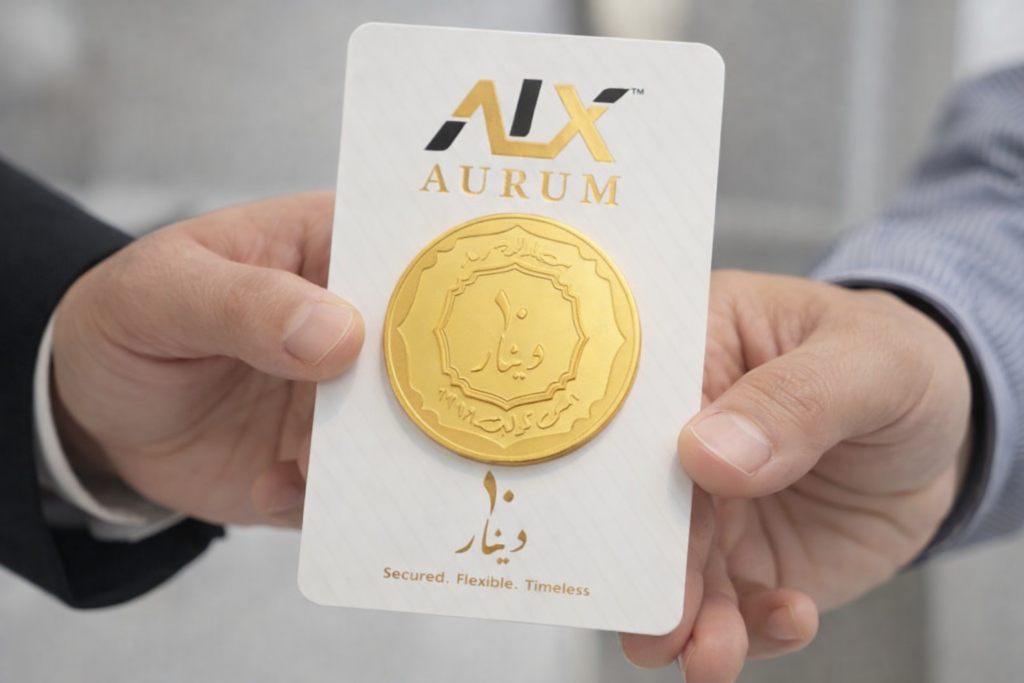
Thinking of Owning Gold? A Quick Guide to Verification and Storage
Since a gold dinar is a physical item, ensuring it’s genuine is paramount. The safest path is to buy only from highly reputable sellers — established banks or official dealers of World Islamic Mint products, for example. For any coin, perform these simple checks:
- Reputable Seller: Is the source trusted and well-known?
- Clear Markings: Look for a professional mint stamp and purity details.
- Precise Weight: The coin should weigh exactly 4.25 grams.
Once you own physical gold, the next question is storage. The best way to store gold coins depends on your personal comfort with risk and convenience. For example, keeping them at home in a secure safe offers immediate access but carries the responsibility of protecting against theft. Alternatively, many people use a bank’s safe deposit box for greater security. This option protects your assets for a small annual fee, though it limits your access to banking hours.
From Ancient Coin to Modern Idea: What the Gold Dinar Represents
The gold dinar is more than an ancient coin. It’s a tangible representation of value rooted in a physical asset, not a government promise. In this sense, it stands as a historical counterpoint to the fiat currency in your wallet. It prompts a deeper look at what gives money its worth.
The next time you pay for groceries or coffee, you’ll see that transaction through a new lens. Ultimately, understanding the story of the gold dinar offers a powerful framework for thinking about the nature of money. It also explains the enduring appeal of tangible wealth.
Zero Registration Fees at AurumLX
Opening an AurumLX account involves no registration cost and no storage fees. We believe access to structured gold ownership should remain disciplined, transparent, and cost-efficient.
Register now at www.aurumlx.com.my
💡 Did You Know?
Did You Know? The modern gold dinar standard of 4.25 grams of 22-karat gold traces back to the classical Islamic mithqal, and Malaysia has real-world experience with it — Kelantan's state government began minting physical gold dinar coins in 2006 for zakat and retail use.
📊 By The Numbers
By The Numbers: Malaysia has direct experience with the gold dinar in practice, with Kelantan issuing physical dinar coins from 2006 and Kedah following in 2010. Because a dinar's value comes from its gold content (4.25g of 22K gold) rather than a fixed exchange rate, its MYR value moves daily with the gold spot price, so the ringgit figure quoted today can differ noticeably from last month's.
Frequently Asked Questions
What exactly is a gold dinar?
How is the value of 1 dinar gold to MYR calculated?
Is the gold dinar still used in Malaysia today?
💡 Did You Know?
Did You Know? The modern gold dinar standard of 4.25 grams of 22-karat gold traces back to the classical Islamic mithqal, and Malaysia has real-world experience with it — Kelantan's state government began minting physical gold dinar coins in 2006 for zakat and retail use.
📊 By The Numbers
By The Numbers: Malaysia has direct experience with the gold dinar in practice, with Kelantan issuing physical dinar coins from 2006 and Kedah following in 2010. Because a dinar's value comes from its gold content (4.25g of 22K gold) rather than a fixed exchange rate, its MYR value moves daily with the gold spot price, so the ringgit figure quoted today can differ noticeably from last month's.
Frequently Asked Questions
What exactly is a gold dinar?
How is the value of 1 dinar gold to MYR calculated?
Is the gold dinar still used in Malaysia today?
Related Articles in This Guide Series
Gold Dinar — view the full guide →