

In This Page
What's the Real Difference Between 999 vs 925
| Aspect | Silver 999 | Silver 925 (Sterling) |
|---|---|---|
| Purity | 99.9% pure silver | 92.5% silver, 7.5% alloy (usually copper) |
| Common use | Bullion bars, investment coins | Jewellery, tableware, souvenirs |
| Hardness/Durability | Soft, easily scratched & bent | Harder & more durable (due to the alloy) |
| Resale value | Calculated directly as weight x spot price | Only the silver content (92.5%) is counted, not the full weight |
| Common hallmark | "999", "9999", or "Fine Silver" | "925", "Sterling", or "Ster" |
Why 999 Is Better Suited for Storing Value, 925 for Wearing
Because 999 silver is 99.9% pure, its resale value is straightforward, a shop or platform will calculate it directly based on weight with no deduction for alloy content. This is what makes 999 bars and coins the clearer choice for long-term value storage. 925 silver, while beautiful and durable enough to wear as jewellery, has its resale value reduced for the alloy content (only 92.5% counts as silver), and shops will usually deduct further for the cost of re-melting, so the "premium" you pay when buying 925 jewellery isn't necessarily what you'll get back when selling.How to Know the Real Purity
Check the hallmark stamp on the item (usually on a hidden part like a chain's clasp or the base of a coin). For bars and coins from licensed sellers, a certificate of authenticity or assay card should be included. If buying from an unclear source, have it tested by a licensed gold/silver shop before assuming the stated purity is accurate, this is especially important for vintage or secondhand jewellery where the stamp has faded.How Purity Affects Resale Value
When it comes time to resell, 999 silver is usually easier to value because its purity is uniform and internationally recognised as bullion grade, buyers (gold shops, storage platforms, dealers) can calculate value directly based on weight and the current spot price. 925 (sterling) silver, meanwhile, has resale value that depends on the type of item: sterling jewellery is usually valued based on weight and pure silver content alone (not including craftsmanship or brand), so you may sell for a lower price than your original purchase price even at the same weight.
FAQ: Silver 999 vs 925
Is 999 or 925 silver more expensive?
Per gram, 999 silver (99.9% pure) is slightly more expensive than 925 (92.5% pure) because of its higher pure silver content, but for 925 jewellery, the final price usually rises further due to craftsmanship and brand costs.
Can I store 925 silver as an investment?
You can, but it's less ideal than 999. Because 925 is mixed with other alloys, it's usually not considered a standard bullion grade, and its resale value is less transparent compared to pure 999 bars/coins.
How can I make sure the silver I'm buying is really 999 pure and not fake?
Buy from a licensed dealer or platform with a clear track record, check the purity hallmark on the bar/coin, and if possible request a certificate of authenticity or original proof of purchase.
AurumLX's Take
If your goal is genuinely to store silver's value long-term (not as jewellery to wear), 999 silver in bar or coin form is the more straightforward choice, clear purity, easy-to-calculate resale value, no deduction for alloy. 925 silver has its own place for jewellery you actually want to wear, but don't buy 925 expecting it to perform the same as a 999 value-storage holding.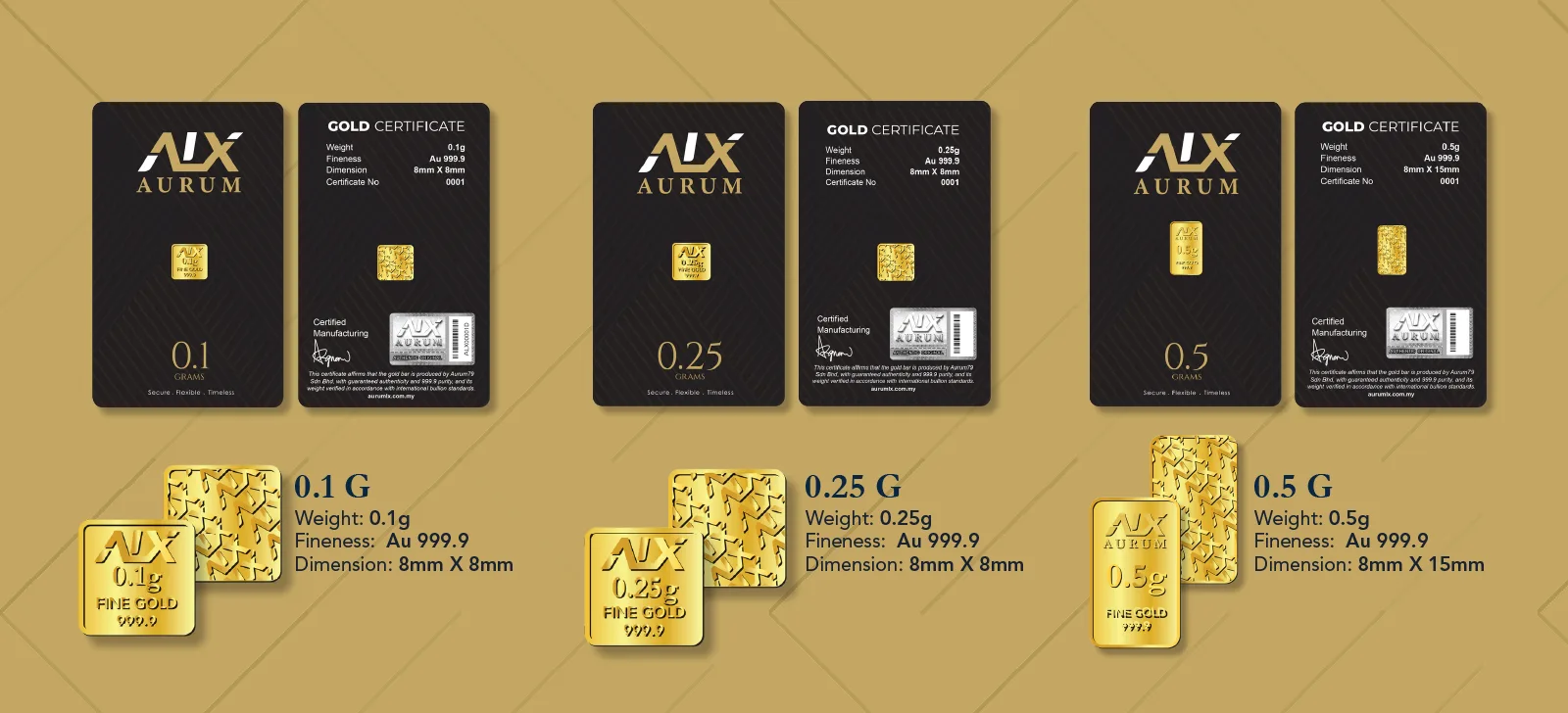
Read also: Silver Price All Purities, Silver Bar vs Coin, or Physical Silver & Silver Bar AurumLX.