
In This Page
You buy RM5,000 worth of gold, hold it for five years, then sell it back for a RM1,800 profit. The first question that usually comes up after the excitement, will LHDN come after you?
This is a reasonable question, and honestly, many gold sellers in Malaysia, including those who've been saving gold for years, still aren't sure of the answer. Especially after Malaysia introduced the new Capital Gains Tax (CGT) starting 2024, many assumed all forms of "investment profit" automatically get taxed. The reality is more specific than that.
This article breaks down what actually happens when you sell personal gold savings in Malaysia, and when the situation changes.
Quick disclaimer first: This is a general guide for educational purposes, not personal tax advice. Every case has different circumstances (amount, transaction frequency, your employment status). For your specific situation, refer directly to the Inland Revenue Board (LHDN) or a licensed tax agent.
The 2024 Capital Gains Tax (CGT), Does It Apply to Gold?
This is the part that confuses people the most, so let's clear it up from the start.
The Capital Gains Tax introduced under the Finance (No. 2) Act 2023 and effective 1 January 2024 only covers a very specific scope: gains from the disposal of unlisted shares by companies, LLPs, co-operatives and trust bodies, not individuals in general, along with certain foreign-sourced income remitted into Malaysia.
Physical gold, whether bars, coins, or jewellery is not within the scope of this CGT. It isn't unlisted company shares, and it isn't real property either (which is subject to Real Property Gains Tax / RPGT separately).
So, Is Profit From Selling Personal Gold Taxed?
For most ordinary retail investors, people who buy gold as a long-term savings and sell it back when needed, the short answer is: generally, no.
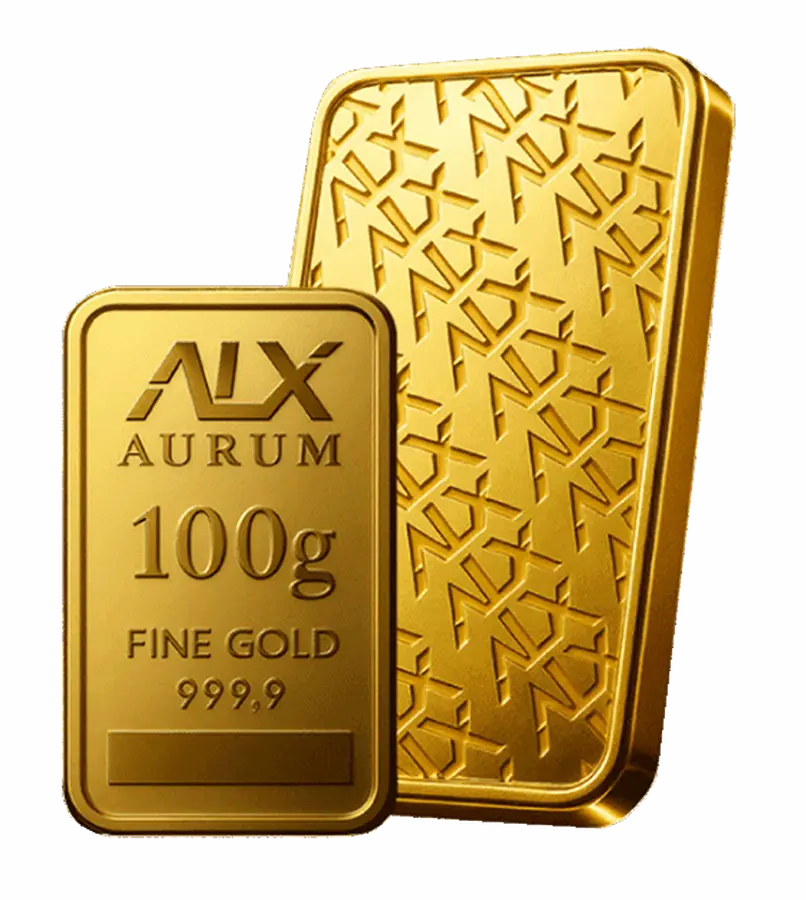
Malaysia doesn't have a general capital gains tax on personal assets like gold, jewellery, or jewellery held as savings-type investments. This is because Malaysia's income tax system is based on the concept of "income," not "wealth" or "capital gains" as a whole, except in specific cases explicitly stated in law (such as RPGT for property, and the limited CGT for unlisted shares as explained above).
When the Situation Changes, "Investor" vs "Trader"
This is the important part many people overlook. LHDN draws a distinction between:
- Investorbuys gold to hold, sells whenever they need cash or spot a good price opportunity. This profit is generally treated as a "capital gain" that isn't subject to income tax.
- Trader/dealerbuys and sells gold frequently, systematically, and repeatedly as a form of business (e.g. buying and selling every month in large quantities, or trading gold as a main source of income). In this case, LHDN can treat this activity as an "adventure in the nature of trade", and that profit becomes taxable business income under the Income Tax Act 1967.
Factors LHDN typically considers to determine whether you're an "investor" or a "trader":
- Frequency of transactions (buying and selling once a year vs every week)
- Holding period (holding for years vs selling shortly after buying)
- Original intent of purchase (long-term savings vs quick profit)
- Whether it's your primary or secondary source of income
Most users of platforms like AurumLX, who save gold consistently on a monthly basis as a form of long-term savings, fall into the "investor" category, not "trader." But if you actively buy and sell gold in large volumes and frequently as a source of income, it's worth speaking to a tax agent to make sure your status is clear.
The Difference Between Gold Tax and Gold Zakat
Many people also confuse these two different matters, tax (an obligation to the government) and zakat (a religious obligation). The two are entirely separate:
- Income taxa civil obligation to LHDN, based on whether you're an "investor" or a "trader" as discussed above.
- Gold zakata religious obligation for Muslims, calculated based on nisab (the minimum threshold of gold held) and haul (a full year of holding), regardless of whether you profit or lose money when selling that gold.
Both obligations can apply at the same time and don't cancel each other out. If you need to calculate your gold zakat nisab and rate, check the guide on gold zakat nisab rates and how to calculate it for the full explanation.
What About SST When Buying Gold?
Another common question, is gold subject to Sales and Service Tax (SST) when purchased? Generally, investment-grade gold that meets certain purity criteria (bars/wafers at least 99.5% purity, coins at least 90%) is exempt from SST under Royal Malaysian Customs guidelines. This is one reason investment gold bars (like those offered by AurumLX) differ from regular gold jewellery in terms of cost structure, jewellery is usually subject to SST plus additional making charges.
What You Should Practically Do
- Keep records of your purchases and salespurchase date, purchase price, weight, sale date, sale price. This matters not just for tax purposes, but also for you to track your own investment performance.
- Understand your own holding intentif you hold gold as a form of long-term savings (not active trading), you generally fall under the "investor" category.
- Check your personal status with a tax agent if you're a registered gold trader, run a side business of buying and selling gold, or your transaction volume is fairly large and frequent.
- Don't mix up tax and zakatcalculate both separately.
Frequently Asked Questions
Do I need to declare profit from selling gold on my income tax form (Form BE)?
If you're an ordinary investor selling personal gold savings (not a business activity), that profit is generally not subject to income tax and doesn't need to be declared as taxable income. However, always keep records of your transactions in case LHDN requires clarification.
How does LHDN determine whether I'm an "investor" or a "trader"?
Based on several factors, transaction frequency, holding period, original purchase intent, and whether this activity is your main source of income. There's no single test; it's assessed as a whole (badges of trade).
Does the 2024 CGT apply to the physical gold I hold?
No. The 2024 CGT is limited to the disposal of unlisted company shares and certain foreign-sourced income. Physical gold is not within this scope.
Do I need to pay SST when buying investment gold bars?
Investment gold that meets certain purity criteria (e.g. bars at 99.5% purity and above) is generally exempt from SST, unlike regular gold jewellery.
If I sell gold at a loss, can that loss be deducted against other tax?
Since profit or loss from selling personal gold is generally not a taxable item (for ordinary investors), that loss generally also can't be claimed as a tax deduction. This differs from a registered business's trading loss.
This guide is intended to give a general picture. For your personal tax situation, please refer to LHDN or a licensed tax agent.
Read Also / Related Reading
Gold Zakat Nisab Rates & How to Calculate It
Working out zakat on gold in Malaysia starts with knowing your nisab threshold and...

The Best Time to Sell Your Gold
Most gold in Malaysia is not sold because the price peaked. It is sold...

Gold Savings & Investment Guide
Quick answer: You can start saving gold from as low as RM50 through digital...

AurumLX Membership
AurumLX Membership Malaysia provides structured access to physical gold ownership, platform benefits, and participation...
Gold Price Today
This page shows the live gold price in Malaysia today, so you can decide...